.jpg)
Vietnam is an attractive destination but also culturally different for international visitors. This article compiles practical advice for first-time foreign visitors — from visa, culture, cuisine to avoiding common pitfalls.
1. Before the Trip: Visa and Documents
1.1. Visa
In 2026, Vietnam has fairly open visa policies:
- Visa-free: 25 countries (Singapore, Malaysia, Thailand, Japan, South Korea, UK, France, Germany...) for 15-45 days
- E-visa: 80+ countries, 90-day validity (register online at evisa.xuatnhapcanh.gov.vn)
- Visa on arrival: Available for some special cases
1.2. Passport and Insurance
Passport must be valid for at least 6 months. Travel insurance is strongly recommended (medical, trip cancellation, lost luggage).
1.3. Currency and Payment
VND (Vietnamese Dong). 1 USD ≈ 24,500 VND (2026). ATMs common in cities. Visa/Mastercard accepted at premium restaurants, hotels, cruises. Cash still needed for local markets.
2. Upon Arrival: Airports and Transport
2.1. Major Airports
- Noi Bai (HAN): Hanoi gateway, near Halong
- Tan Son Nhat (SGN): Ho Chi Minh City
- Da Nang (DAD): Central Vietnam
2.2. From Airport to City
Use Grab (Uber-like app) for safe and transparent transport. Avoid anonymous airport taxis. Noi Bai → Hanoi price ~400-500,000 VND (~USD 16-20).
2.3. Around the City
- Grab: Popular and safe
- Vinasun/Mai Linh taxis: Most reliable traditional taxis
- Walking: Safe in central areas, but careful crossing streets
3. Vietnamese Culture: What to Know
3.1. Greetings
Vietnamese often nod lightly or shake hands. "Xin chào" (hello) is basic. Elders are especially respected.
3.2. At Vietnamese Homes
Remove shoes when entering. Bring small gifts if invited. Praising food is polite.
3.3. At Temples
- Dress modestly (cover shoulders and knees)
- Remove shoes entering the main hall
- Don't turn your back on Buddha statues
- Can light incense but don't photograph statues too closely
3.4. Tipping & Gifts
No strong tipping culture like the US, but 10-15% tip appreciated at premium restaurants and spas. Cruise crew: USD 5-10/guest/night is appropriate.
4. Vietnamese Cuisine: Beginner's Guide
4.1. Pho and Bun
Traditional Vietnamese. Pho: clear broth, soft rice noodles. Bun: fresh rice noodles, served with cha, nem ran, grilled meat.
4.2. Banh Mi
Vietnamese-French sandwich. With grilled meat, pate, pickled vegetables, herbs. One of the world's best sandwiches.
4.3. Nem Ran & Goi Cuon
Nem ran: crispy spring rolls. Goi cuon: fresh spring rolls with shrimp and vegetables.
4.4. Vietnamese Coffee
Stronger than Western coffee. Iced milk coffee, egg coffee (Hanoi), coconut coffee (Da Nang).
4.5. Hygiene Warnings
- Avoid tap water — drink bottled water
- Ice at premium restaurants is safe
- Street food OK if cooked hot, busy stalls
- Avoid unwashed salads in questionable conditions
5. Shopping and Bargaining
5.1. At Traditional Markets
Bargaining is standard. Start at 50% of asking price, negotiate to 70-80%. Bargain cheerfully, not aggressively.
5.2. At Stores/Malls
Listed prices, no bargaining. Includes VAT.
5.3. Common Scams
- Unmarked taxis with inflated prices — always use Grab or reputable taxis
- Cheap roadside "massage" often scams
- Exchange money at official banks/airports
- Don't join street card/gambling games
6. Safety and Health
6.1. Traffic
Vietnam has complex traffic. When crossing, walk slowly and steadily, vehicles will avoid you. Don't run or stop suddenly.
6.2. Personal Safety
Vietnam is quite safe. Watch for pickpockets in crowded tourist areas. Carry backpack in front when crowded.
6.3. Medical
Recommended vaccines: hepatitis A, B, typhoid. Easy to buy basic cold/digestive medicine in Vietnam. International hospitals (Vinmec, FV) in major cities.
7. Special Tips for Halong Travelers
7.1. Hanoi → Halong Transport
Private limousine (4 hours) or shuttle tour (3-3.5 hours). New expressway cuts time. Don't ride motorbikes if not familiar.
7.2. Choosing a Cruise
- Standard cruises: for budget travelers
- Premium cruises: good experience
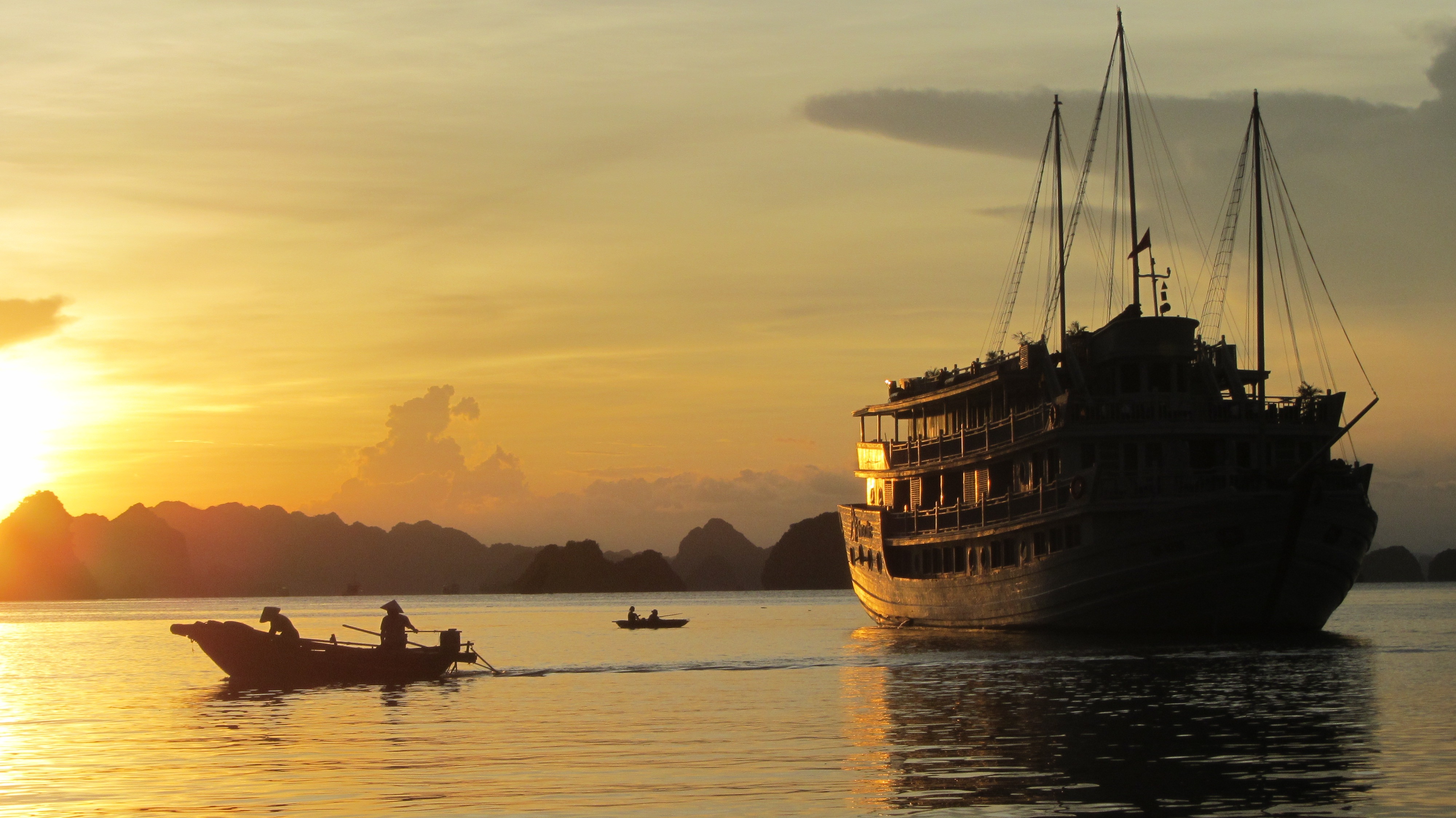
- Boutique cruises (like Amour Cruises): for honeymoons, anniversaries
7.3. Season
October-December and March-May are best. Avoid July-September (typhoons).
7.4. Cruise Preparation
- Passport (mandatory for check-in)
- Swimwear, SPF 50+ sunscreen
- Light jacket for evening
- Motion sickness pills (just in case)
- Power adapter (Vietnam uses Type A/C)
8. Learn Basic Vietnamese Phrases
- Xin chào: Hello
- Cảm ơn: Thank you
- Xin lỗi: Sorry/Excuse me
- Bao nhiêu tiền?: How much?
- Ngon quá: Delicious!
- Tôi không hiểu: I don't understand
9. Start Your Vietnam Journey
Vietnam is one of Asia's most memorable destinations. With a bit of preparation and cultural understanding, you'll have a safe and meaningful trip. Especially if choosing boutique cruises like Amour Cruises for the Halong portion — the team speaks perfect English, international-standard service, ensuring seamless experience for international travelers.
Book Your Journey with Amour Cruises
Let Amour Cruises craft unforgettable memories in poetic Lan Ha Bay. Contact us for personalized itinerary and early-booking offers.
Related Articles
Frequently Asked Questions
Which countries are visa-free for Vietnam?
25 countries including Singapore, Malaysia, Thailand, Japan, South Korea, UK, France, Germany. 15-45 day stays.
Safe transport in Vietnam?
Use Grab (like Uber) — safest. Or Vinasun/Mai Linh taxis. Avoid unmarked airport taxis.
Vietnamese culture notes?
Remove shoes at homes/temples. Dress modestly (cover shoulders-knees) at spiritual sites. Elders especially respected.
Food hygiene in Vietnam?
Drink bottled water. Ice at premium restaurants is safe. Street food OK if hot, busy stalls.
How much to tip cruise crew?
USD 5-10/guest/night is appropriate. Not mandatory but appreciated.
.jpg)
.jpg)
Comments (0)
Be the first to comment.